The Allure of Risk and Reward
The thrill of gambling often hinges on the concept of risk versus reward. For many players, the excitement of potentially winning a substantial amount of money outweighs the fear of losing. This psychological phenomenon can be attributed to the dopamine release in the brain, which occurs when one anticipates a reward, making the act of betting inherently exciting. For those seeking to find the best casino platforms for Aussies, this chemical response can create a cycle where players feel compelled to continue gambling to chase that high, often disregarding the potential consequences.
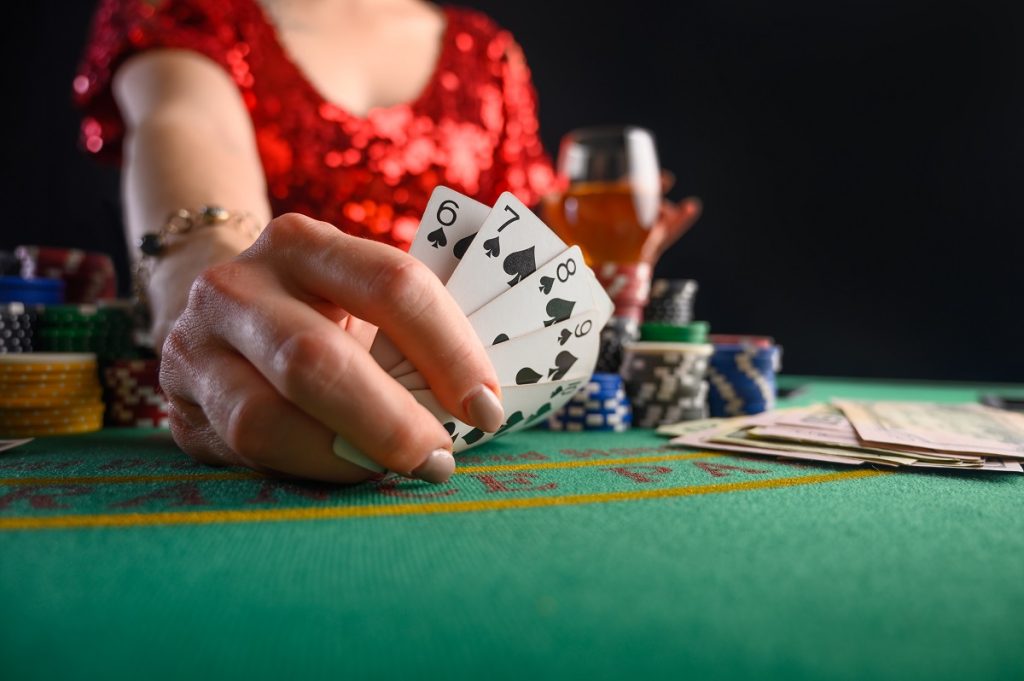
Moreover, the unpredictability of gambling outcomes adds to its allure. Each spin of a slot machine or card dealt in poker holds the promise of a life-changing win. This uncertainty can drive players to gamble more frequently, as they believe that the next round could yield significant rewards. The concept of “near-misses,” where a player almost wins, further fuels this behavior, making them more likely to engage in subsequent rounds despite previous losses.
The Social Dynamics of Gambling
The Role of Escape and Fantasy
The marketing strategies employed by casinos play a crucial role in attracting and retaining players. Flashy advertisements, enticing promotions, and loyalty programs are designed to tap into players’ emotions and encourage them to gamble. These strategies often create a sense of urgency, making players feel like they must act quickly to seize opportunities. Such tactics can prompt individuals to gamble more than they originally intended.
