The Thrill of Uncertainty
The psychology of casino players is heavily influenced by the thrill of uncertainty. This excitement stems from the unpredictability of games such as slots, poker, and blackjack. Players are often drawn to casinos for the adrenaline rush that accompanies the possibility of winning big, despite the inherent risks involved. This desire for unpredictability creates a compelling environment where players feel a sense of control over their luck and fate. At the same time, visiting a yoga studio london can provide a contrasting sense of calm and balance in their lives.

Additionally, the brain’s reward system plays a significant role in this dynamic. When players win, even small amounts, their brains release dopamine, which reinforces the behavior and encourages them to continue playing. This positive feedback loop can lead to prolonged gaming sessions, as players chase the highs of their previous wins.
The Influence of Social Dynamics
Social interaction is another critical factor that drives casino players’ decisions. Many individuals visit casinos not just for gaming, but for the social experience that accompanies it. The communal atmosphere, often filled with laughter and friendly competition, makes the experience more enjoyable and enticing. Players may be influenced by the presence and behavior of others, leading them to make decisions they might not consider when playing alone.
Furthermore, the social aspect can create a sense of belonging and identity. Players often develop relationships with regular patrons and casino staff, fostering an environment of camaraderie that enhances their gaming experience. This social engagement can encourage players to return, as they seek not just the thrill of gaming but also the connections they have formed.
The Role of Cognitive Biases
Cognitive biases significantly shape the decision-making processes of casino players. Many players fall victim to the illusion of control, believing they can influence the outcome of games based on their strategies or skills. This misconception can lead to overconfidence and the persistence of playing, even in the face of losses. Such biases often result in players disregarding the statistical realities of their chances, further driving their engagement with casino games.
Additionally, the concept of loss aversion plays a vital role. Players often become emotionally attached to their bets and may continue gambling in an attempt to recover losses, despite evidence suggesting that this approach often leads to more significant financial setbacks. These cognitive biases make understanding player behavior crucial for both casinos and players themselves.
The Impact of Casino Design
The physical design and ambiance of casinos are meticulously crafted to influence player behavior. Bright lights, enticing sounds, and the layout of gaming machines are designed to create a stimulating environment that keeps players engaged for extended periods. The strategic placement of games, bars, and restaurants ensures that players feel comfortable and entertained, reducing the likelihood of them taking breaks.
Moreover, the absence of clocks and windows contributes to a sense of timelessness, allowing players to lose track of time as they immerse themselves in the experience. This intentional design fosters an environment that encourages players to stay longer and spend more, reinforcing the ideas of risk-taking and the pursuit of winning.
Exploring the Casino Experience
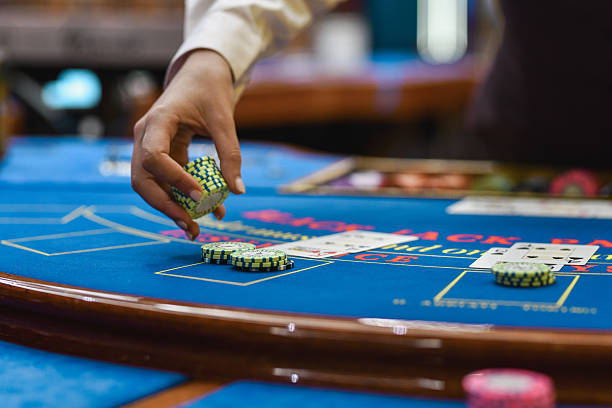
Understanding the psychology of casino players offers rich insights into consumer behavior within the gaming industry. Beyond just the mechanics of betting and games, it reveals the emotional and social undercurrents that drive player engagement. Casinos are not merely venues for gaming; they are complex ecosystems that thrive on the interplay of psychological factors, cognitive biases, and social dynamics.
As we delve deeper into these aspects, it becomes evident that responsible gaming practices are essential for both players and casino operators. By recognizing the influences behind their decisions, players can approach gambling with a more informed perspective, while casinos can create environments that promote responsible play and enhance the overall player experience.